
The Weight of Citizenship

Rural Insights will be publishing a series of articles about ‘What Does It Mean To Be An American?’ and ‘What Does Our Citizenship Require of Us?’ We are asking a cross section of authors to write for us, including your friends and neighbors. So if you would like to write a few paragraphs on this topic please send them to us and we will consider publishing them. It is our hope that this series will start many conversations among neighbors, friends and family. Let us know what you think.
— David Haynes
As citizens of the United States, most of us understand our legal duties. Pay our taxes; if male, register for the selective service; if called, serve on a jury. Nothing too onerous (unless you are actually called up). Other than wincing at our tax bill each year, we likely barely register our legal responsibilities as citizens.
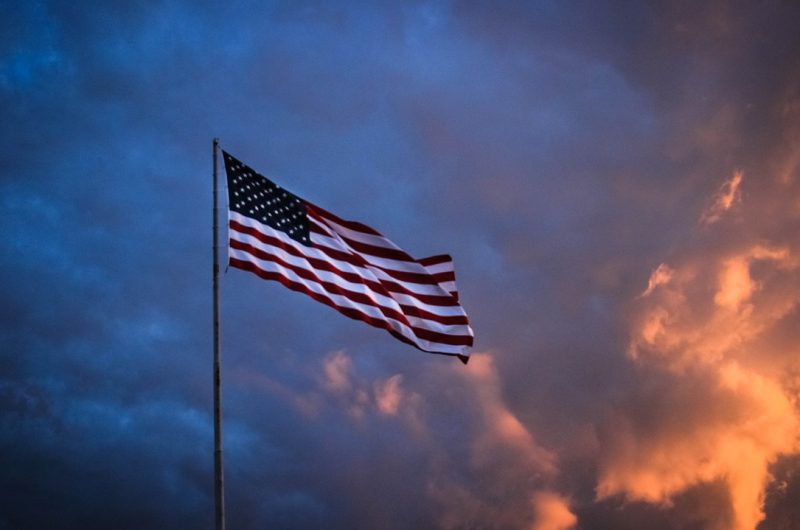
But there is a heavier citizenship we carry, our innate moral obligation and civic duty to be “Good Americans.” How patriotic are we? Do we measure the depth of our commitment to country by the size of the flag we fly? Do we join the military or work for the Federal Government? Do we keep ourselves informed on world and domestic events? Most importantly, do we vote?
As a “Boomer,” my early childhood passed in a relatively benign period of United States history. Yes, we hid under our desks during “Fallout” raid drills, which few really took seriously and in hindsight is a laughable deterrent to a nuclear attack. Boomers tend to look at the 50s and 60s through our proverbial rose-colored glasses. That is until events like the race riots or Vietnam hit us just as we were coming of age.
Whether you were a member of the military fighting in that undeclared war, or on the other side of the fence holding a picket sign, this is when many of us first embraced our “duties” as U.S. citizens. While I could not have defined it at the time, it was a catalyst that first moved me to examine my own citizenship, and decide where to take it. Like today, factions of our society who had previously “not done” politics turned to activism. And today, our country is as sharply divided on how we perceive this country as we were during the Vietnam era.
As a retired diplomat having served 37 years with the Department of State, I carried my U.S. citizenship with pride. We were the great power at the end of the Cold War. The State Department used our good offices to negotiate conflicts, support fragile democracies, foster health and education issues, elevate women in all sectors of society, and promote economic prosperity for all.
We were magnanimous in allowing NATO nations to pay what they could; we were benevolent in funding AID projects around the world, especially to often-ignored African nations. We were the beacon of justice, providing asylum to beleaguered people worldwide. We welcomed citizens of nearly all nations to visit, attend our universities, and share their expertise. We were good citizens. The State Department was far from perfect, but for the most part we tried to live by those tenets.
I was proud to be a citizen of a country that promoted these ideals. Whether civilian or military, an official serving abroad carries heavy citizenship duties. Our official presence in many multinational meetings usually came with a leadership role, even if an unassigned one. After discussing an issue, more often than not someone will turn to us and say, “What is the United States going to do?”
In many of my posts, I did not blend into the background. Once in Eastern Congo, I took a moment to absorb my surroundings as I realized I was the only white person on a massive boulevard teeming with a couple thousand people. I felt the uncomfortable exposure many people of color must experience when they are in the minority. Because I was easily identified as “the American,” how I behaved, how I treated people, even if just buying an apple at a fruit stand, carried weight.
What does this mean to a U.S. citizen living in rural Michigan? I expect most of us have experienced moments of pride in our citizenship. Hearing the national anthem or welcoming troops home can put a lump in your throat. Watching flag-draped caskets pulled off a plane brings a tear to the eye. But I fear that pride is waning in the face of today’s state of the world. Legally, we bear no responsibility for a call to action. But it is our moral and civic duty to take action to steer the country in the right direction.
The most important privilege bestowed on us at age 18 is the right to vote. Whether we are supporting our government’s policies, or protesting against them, it is an American’s moral and civic duty to participate in a civilized and thoughtful manner. We have a patriotic duty to make our country a better place. We should all bear that weight well.



Thank you, Karen. Your points are all good. I appreciate having you in the world that I share.
This. 100% this!
Thank you.
Well said, Karen. You’re perspective, based on your Foreign Service experience, is appreciated.
From my perspective as a retired judge of 18 years, and a trial attorney of 25 years, we need a re-birth of Citizenship education and understanding of our Constitution. Adherence to our Constitution serves us well as a nation. We ignore our Constitution at our peril.
Thank you Judge Solka. I agree we need stronger civic education at all levels.
Fully agree Judge Solka. The average US citizen would likely fail the citizenship exam. I would, embarrassingly, include myself in that.