

Michael Broadway
Michael Broadway is Professor of Geography and the former Dean of Arts & Sciences at Northern Michigan University. His research expertise focuses on the meatpacking industry’s community impacts. In 2006 he was a visiting Fulbright Research Chair in the Department of Rural Economy at the University of Alberta. He is a co-author with Donald Stull of Slaughterhouse Blues: The Meat and Poultry Industry in North America. (2nd edition 2011: Cengage). More recently he has published on a variety of food and drink related topics including food tourism, slow food and coffeehouses.
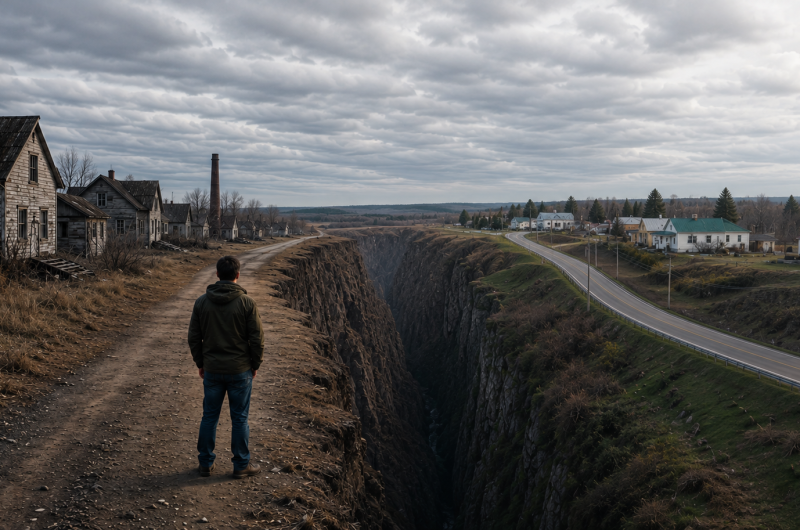
The U.P. Falling Further and Further Behind?: An Comparison of Median Household Income Growth
How has the U.P. fared economically compared to neighboring Wisconsin counties over the past 35 years? This new analysis by Michael Broadway examines changes in median household income, population trends, manufacturing job losses, and what they may mean for the region’s future.
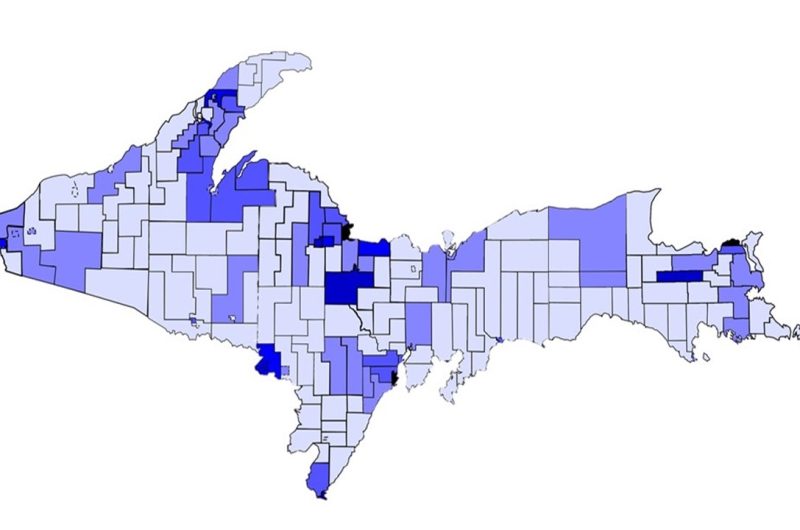
Zero Migration: Implications for the U.P.
New analysis highlights how strict immigration policies and declining birth rates are reshaping population trends—especially in Michigan’s Upper Peninsula. With more deaths than births and fewer immigrants arriving, long-term population decline and labor shortages may pose serious economic challenges for the region and beyond.
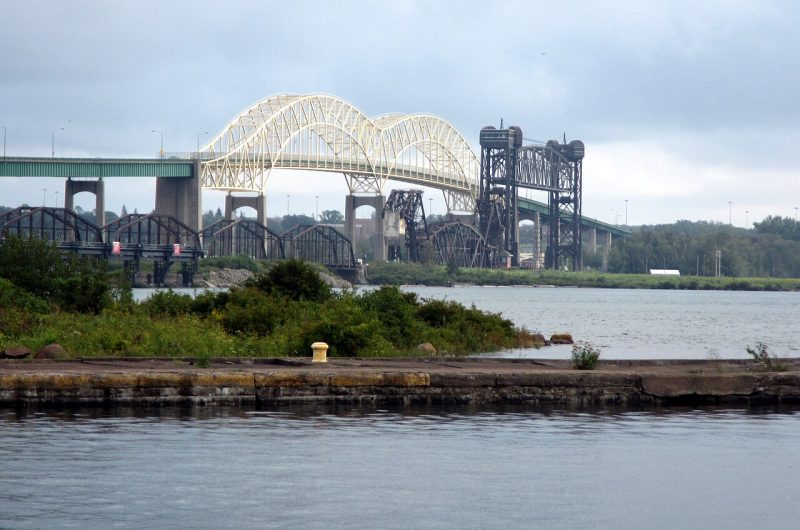
President Trump, Canada, the Upper Peninsula and Tourists
Fewer Canadians are crossing the border into Michigan, and U.P. businesses are beginning to feel the impact. New data shows a sharp decline in cross-border travel and its potential effects on the local economy.
Viewing Nature: An Analysis of Exposure to Nature in the Upper Peninsula
New research shows that trees and greenspace don’t just make our communities look better–they actively support mental and physical health. In the U.P.’s cities, tree cover varies widely, meaning some neighborhoods benefit more than others. Planting trees is one of the simplest, most cost-effective ways to improve long-term health outcomes.
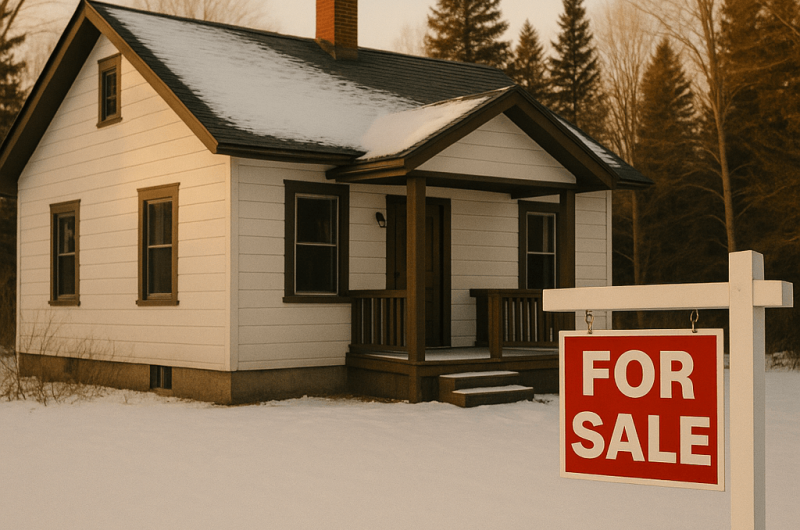
Home Ownership and the American Dream in the Upper Peninsula
Rising housing costs and limited supply are making the American Dream of homeownership harder to reach for young people in the U.P.
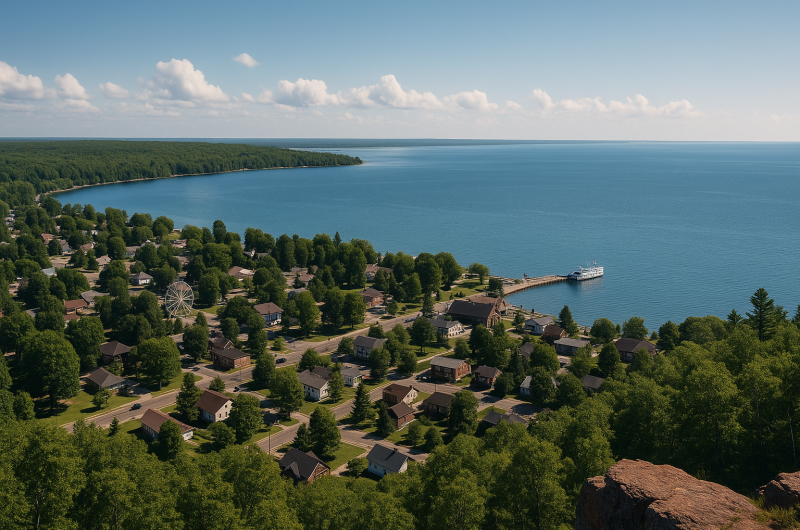
Recent Changes in U.P. Employment and Unemployment
Tourism remains the U.P.’s economic lifeline, but rising unemployment and slowing job growth show how vulnerable the region is to national and global shifts.
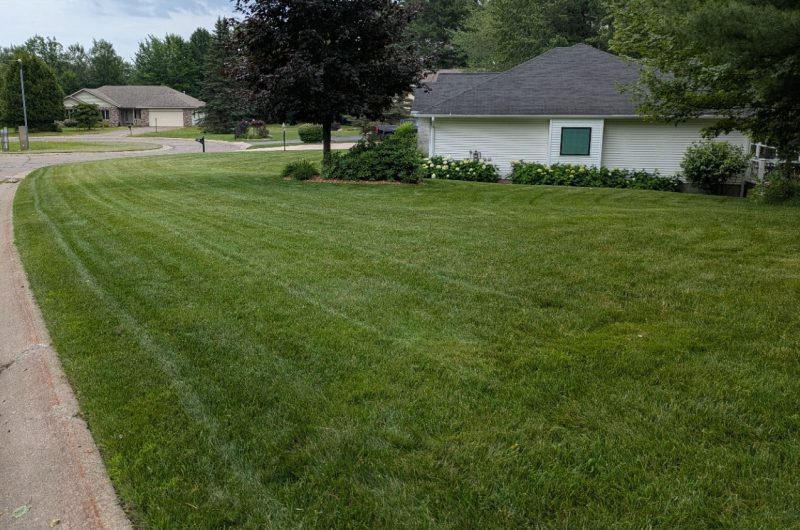
To Mow or Not to Mow? Marquette’s Changing Lawn Landscape
America’s obsession with manicured lawns—once a status symbol of wealth and order—faces growing backlash over water waste, chemicals, and loss of biodiversity. From “No Mow May” to native plant rebellions, cities like Marquette are seeing a quiet shift toward pollinator-friendly, sustainable yards despite ordinances and HOA rules.
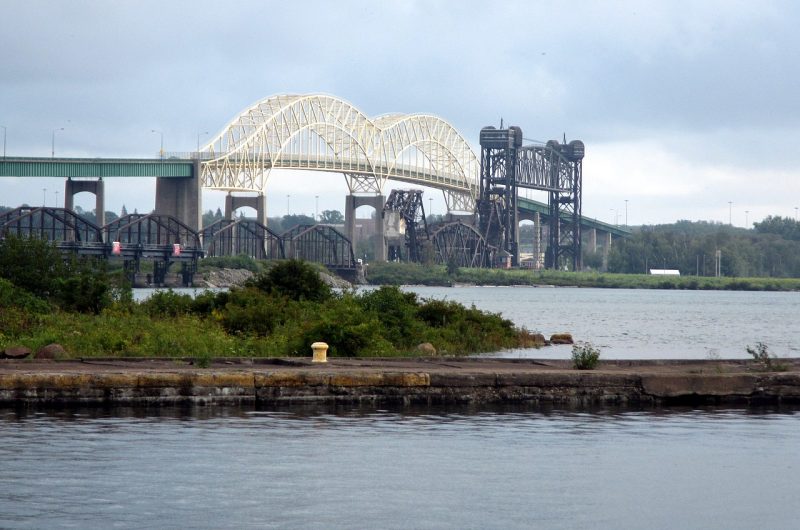
Canadian Tourists, Boycotts and the Eastern U.P.: An Update on Summer 2025
Canadian tourism to the Eastern U.P. has dropped sharply in 2025 due to tariffs, political tensions, and travel boycotts. Border crossings and tourism-related searches are both down, with Sault Ste. Marie and Chippewa County seeing the biggest impact. Mackinac Island, however, continues to thrive thanks to strong domestic tourism.

The Big Beautiful Act, Medicaid and the Upper Peninsula
The new “Big Beautiful Act” slashes $1 trillion from Medicaid and CHIP, cutting at least 10.5 million people from coverage. For the U.P., this means fewer insured residents, struggling hospitals, job losses, and longer drives for care.
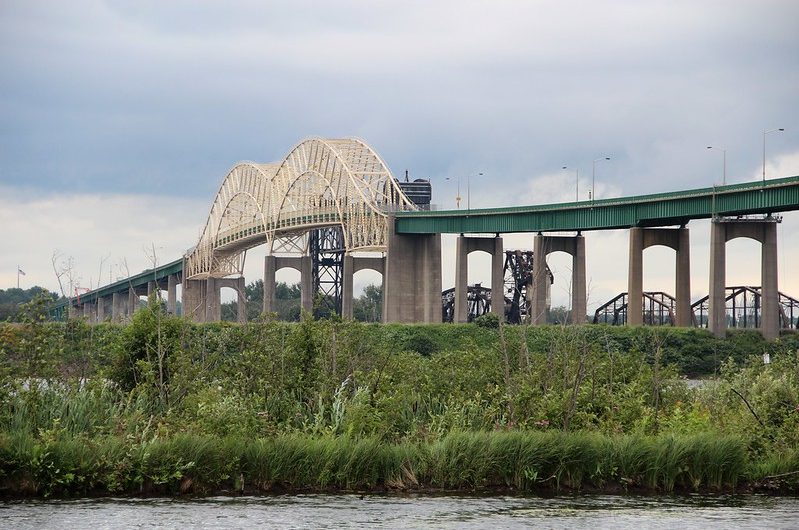
President Trump, Canada and the Upper Peninsula
Canadian travel to the U.S. is down sharply in 2025, and border towns like Sault Ste Marie are feeling the impact. Michael Broadway and Joslin Brown’s latest article explores how Trump-era policies are straining one of North America’s closest relationships.